
How Secure Are Your Transactions
In today’s fast-paced digital world, online transactions have become an integral part of everyday life. From shopping to banking, the convenience of digital transactions is unmatched. However, with this convenience comes the looming question: How Secure Are Your Transactions at Online Casinos? https://betwiner-mali.com/ In this article, we will delve into the various aspects of transaction security, discussing potential threats and the measures you can take to protect your financial information.
The Importance of Transaction Security
Transaction security is crucial for individuals and businesses alike. With the proliferation of online fraud, identity theft, and cyberattacks, ensuring that your transactions are secure is not just advisable but necessary. Breaches can lead to significant financial loss, damaged reputations, and legal ramifications. Therefore, understanding the risks involved and how to mitigate them is vital.
Common Security Threats
Understanding the common threats to transaction security is the first step in protecting yourself:
- Phishing Attacks: These involve fake communications that appear to be from legitimate sources, tricking users into providing sensitive information.
- Malware: Malicious software designed to gain unauthorized access to devices and steal data.
- Data Breaches: Occurrences where sensitive data is accessed illegally, often due to weak security measures.
- Man-in-the-Middle Attacks: Situations where a third party intercepts communications between two parties to steal information.
Transaction Security Measures
Fortunately, there are many ways to enhance the security of your transactions. Here are some essential measures:
- Use HTTPS: Always ensure that the website you’re using for transactions has ‘HTTPS’ in the URL, indicating that the site is secure.
- Enable Two-Factor Authentication (2FA): This adds an extra layer of protection by requiring two forms of identification before granting access to your accounts.
- Regularly Monitor Accounts: Keep a close eye on your bank statements and transaction history to catch any unauthorized charges as soon as they occur.
- Utilize Secure Payment Platforms: Consider using trusted payment gateways like PayPal, which offer additional security layers for transactions.
Best Practices for Consumers
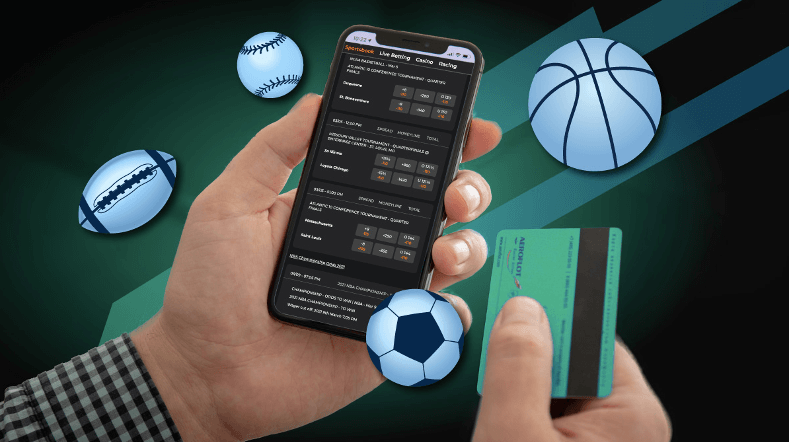
As a consumer, you play a vital role in ensuring the security of your transactions. Here are some best practices to follow:
- Use Strong Passwords: Create unique passwords that combine letters, numbers, and symbols, and change them regularly.
- Keep Software Updated: Regular updates can help safeguard your devices against vulnerabilities.
- Be Wary of Public Wi-Fi: Avoid conducting sensitive transactions over public networks, as these can be easy targets for hackers.
- Educate Yourself: Stay informed about the latest security threats to transactions and ways to protect yourself.
Emerging Technologies Enhancing Security
As technology evolves, so do security measures. New technologies are making transactions safer:
- Blockchain Technology: This decentralized technology increases transparency and security, significantly reducing fraud risk.
- AI and Machine Learning: These technologies analyze transaction patterns to detect anomalies and flag potentially fraudulent activities in real-time.
- Biometric Authentication: Fingerprint and facial recognition technologies enhance security for online and mobile transactions.
The Role of Financial Institutions
Financial institutions have a significant responsibility in ensuring transaction security. They invest heavily in security technologies and protocols to safeguard customers. This includes:
- Conducting regular security audits and vulnerability assessments.
- Implementing robust fraud detection systems.
- Providing customers with education on best practices for online security.
The Bottom Line
In conclusion, the question of how secure your transactions are depends on various factors, including the steps you take as a consumer and the security measures implemented by financial institutions and businesses. By staying informed and proactive, you can significantly reduce your risk of falling victim to fraud and ensure that your online transactions remain secure. Always remember, security is a shared responsibility.
Further Resources
If you want to know more about keeping your online transactions secure, consider visiting security-focused websites, participating in forums, and reading up on the latest cybersecurity news. Empowering yourself with knowledge is one of the best defenses against potential threats.