
Mastering Forex Trading Techniques for Success
Forex trading is a popular way to make money in the financial markets, but it requires skill, knowledge, and a solid strategy. Whether you’re a beginner or an experienced trader, understanding various techniques can significantly enhance your trading performance. In this article, we will explore some of the most effective forex trading techniques, including analysis methods, strategy development, and risk management. Additionally, you can find more information about trading opportunities by checking the forex trading techniques Best Ivorian Brokers.
Understanding Forex Market Dynamics
The foreign exchange market, or forex market, is an over-the-counter global marketplace for trading national currencies against one another. It is the largest and most liquid financial market in the world, with trillions of dollars traded daily. Understanding forex market dynamics is crucial for developing successful trading techniques.
Currency Pairs
In forex trading, currencies are traded in pairs, such as EUR/USD or GBP/JPY. The first currency in a pair is the base currency, and the second one is the quote currency. The value of a currency pair reflects how much of the quote currency is needed to purchase one unit of the base currency. Understanding the mechanics of currency pairs is fundamental to developing trading strategies.
Market Sessions
The forex market operates 24 hours a day, five days a week, accommodating various time zones. The main trading sessions are the Asian, European, and North American sessions. Each session has unique characteristics and volatility levels. Traders need to be aware of market sessions to plan their trading times effectively.
Technical Analysis Techniques
Technical analysis involves the study of price charts and historical data to predict future price movements. It is one of the most popular techniques among forex traders. Here are some essential technical analysis techniques:
Chart Patterns
Traders often look for specific patterns in price charts, such as head and shoulders, double tops, and flags. These patterns can indicate potential reversals or continuations in trends. Recognizing chart patterns is crucial for making informed trading decisions.
Indicators and Oscillators
There are numerous indicators and oscillators available to traders, such as Moving Averages, Relative Strength Index (RSI), and Bollinger Bands. These tools help traders analyze market conditions, identify trends, and detect potential entry and exit points.
Fundamental Analysis Techniques
While technical analysis focuses on price movements, fundamental analysis examines the economic factors influencing currency values. Key aspects of fundamental analysis include:
Economic Indicators
Traders must pay attention to various economic indicators, including GDP, employment rates, inflation rates, and interest rate decisions. These indicators provide insight into a country’s economic health and can impact currency values significantly.
News Events
Major news releases, such as central bank announcements and geopolitical events, can lead to significant market volatility. Traders should stay informed about upcoming news events and how they may affect currency prices.
Trading Strategies
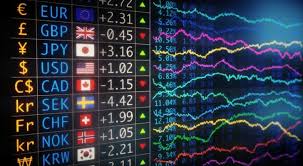
Having a solid trading strategy is essential for long-term success in forex trading. Here are some popular trading strategies:
Day Trading
Day traders open and close positions within the same trading day, aiming to profit from short-term price movements. This strategy requires quick decision-making and a solid understanding of market dynamics.
Swing Trading
Swing trading involves holding positions for several days or weeks to capitalize on medium-term price movements. Traders use technical and fundamental analysis to identify potential swing trades.
Scalping
Scalping is a high-frequency trading strategy where traders make numerous trades throughout the day, aiming for small price changes. This technique requires a strict discipline and excellent execution speed.
Risk Management Techniques
Risk management is crucial in forex trading to protect capital and minimize losses. Here are some essential risk management techniques:
Position Sizing
Proper position sizing involves determining how much capital to risk on each trade. Traders often use a percentage of their total trading capital to ensure they do not expose themselves to excessive risk.
Stop-Loss Orders
Using stop-loss orders helps traders limit their losses by automatically closing a position when it reaches a specific price. This technique is essential for managing risks in volatile markets.
Continuous Learning and Adaptation
The forex market is constantly evolving, and successful traders must be committed to continuous learning and adaptation. Here are some ways to stay informed and improve your trading skills:
Educational Resources
There are plenty of resources available, including online courses, webinars, and books, that can help traders enhance their knowledge and skills. Staying informed about new techniques and strategies is essential for long-term success.
Practice with Demo Accounts
Using a demo account allows traders to practice their strategies in a risk-free environment. This experience helps build confidence and skills before trading with real capital.
Conclusion
Mastering forex trading techniques requires dedication, knowledge, and a well-defined strategy. By understanding market dynamics, employing technical and fundamental analysis, developing effective trading strategies, and maintaining a solid risk management plan, traders can improve their chances of success in the forex market. Continuous learning and adaptation to changing market conditions are equally important for long-term growth as a trader. With the right approach, you can navigate the complexities of the forex market and work toward achieving your trading goals.